









FILL DETECTION GAPS WITH CONTEXTUAL, PRIORITIZED CONTENT
Detection Engineering
Continuously identify, develop, and improve security use cases that align with the MITRE ATT&CK framework, your threat profile, and your unique infrastructure
ENHANCE YOUR DETECTION STRATEGY
Detection Engineering
CyberProof’s Detection Engineering service enables organizations to strengthen threat detection by assessing their current use case coverage, identifying gaps, and designing new content to close them.
Powered by Continuous Threat Exposure Management (CTEM), the Detection Engineering service helps prioritize development of use cases aligned to business risk and adversarial behavior.

Recognized as industry leaders


















HOW WE CAN HELP YOU
With CyberProof’s Detection Engineering, you get →
Tailored use case development
Detection Engineering begins by baselining your environment against MITRE ATT&CK and business-specific risks. From there, CyberProof develops custom detection logic, analytics rules, and playbooks using a defined process that includes schema validation, parser creation, testing, stakeholder review, and automation planning.
Automation is prioritized where applicable, and may include enrichment workflows, incident triage, and response actions to accelerate and streamline SOC operations.
Continuously improving cybersecurity defense systems
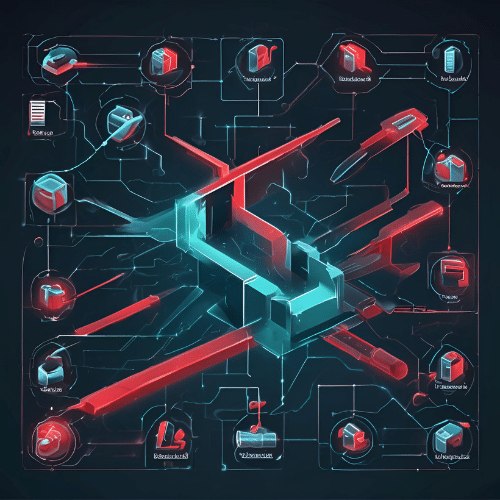
CyberProof’s team of engineers and developers assesses existing threat detection logic and collaborates with clients to build use cases using a defined process—covering schema validation, parser development, playbook creation, and documentation.
Whether in a consulting or on-demand model, our team builds detection logic, response playbooks, enrichment workflows, and automations. This ensures detection logic evolves with your changing threat landscape.
Improved SOC workflows at each and every stage
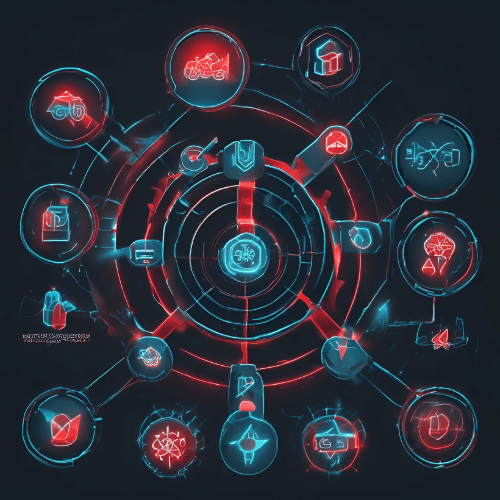
Detection Engineering enhances SOC efficiency by delivering categorized, well-documented use cases aligned to tactics, techniques, and customer-specific attack scenarios. Our services support detection logic tuning, threat hunting guidance, and automated triage and response — integrated wherever relevant based on the client’s environment.
Transparency and flexibility in delivery
CyberProof’s Detection Engineering service allows customers to define the engagement model that fits them—on-demand or strategic consulting. All use cases include full documentation, clear classification by complexity, and defined outputs including detection logic, investigation guides, playbooks, and response procedures.

CASE STUDY
Large transportation enterprise leverages Detection Engineering
Learn how we helped a large logistics company leverage continuous improvement through Detection Engineering.
RESOURCES
Learn more about Detection Engineering


Frequently asked questions
What is a Use Case?
Uses cases are used to develop detection rules to fill monitoring gaps in technologies such as the SIEM. But to successfully limit the impact of a cyber attack, use cases need contextually relevant content to detect and respond to threats. At CyberProof, we deploy a ‘Use Case Kit’ for each attack scenario which includes a detection rule, response playbook, and API integrations to enable alert enrichment and automations.
What is the Use Case Catalog?
The Use Case Catalog is our central repository where use cases are grouped under MITRE tactics and techniques. New use cases are continuously added to the catalogue based on cyber threat trends and the catalog is used to quickly select and onboard existing Use Cases for clients who may operate in the same industry, or face similar threats.
Is this service included in your MDR offering?
Our Managed Detection and Response (MDR) service uses our extensive catalog of existing Use Cases to ensure you are covered against the most common threats. However, if more complex Use Cases are required that require custom detection and response content, which is not covered in our catalog, then we can help you with our Use Case Management service.
Contact us
Discover how we can help you adapt your use cases to your changing threat landscape.